San Francisco, California
The Westin St. Francis
Est. 1904 · Beaux-Arts, with a 1972 Modernist tower addition · $$$
Union Square's grand dame since 1904. Survived the 1906 earthquake, hosted the scandal that ended Fatty Arbuckle's career, and still washes its silver coins by hand. A real hotel with a complicated history, not a theme park version of one.
I checked in on a Tuesday afternoon, dropped my bag, and walked straight to the lobby clock before I did anything else. Not because I’m a completionist about hotel trivia — I’m not, usually — but because “meet me at the St. Francis clock” is a sentence San Franciscans have been saying for over a hundred years, and I wanted to stand under the thing that made it true. It’s a large, ornate grandfather clock, installed in 1907, and it still works. People were still using it as a meeting point while I stood there. That’s not a marketing line. That’s just Tuesday at the St. Francis.
This is an odd hotel to review honestly, because so much of what makes it interesting isn’t charming. Some of it is genuinely dark. I’m not going to smooth that over, and I’m not going to turn it into true-crime content either. Here’s what I found.
| 📍 Location | 335 Powell Street, Union Square, San Francisco, California |
| 💰 Price range | ~$280/€257/£219 per night and up |
| ⭐ Best for | Union Square shoppers, history lovers, couples, business travelers |
| ⏱️ Sweet spot | September–October, when the fog lifts and the tower rooms earn their price |
| 🚫 Skip if | You want a boutique-quiet stay away from tourist foot traffic |
| 📖 Book | The Westin St. Francis on Booking.com |
Check availability and current rates →
For more on how this hotel fits into the city’s larger story, see our Union Square area guide for San Francisco. We also covered the St. Francis in less depth in our earlier San Francisco historic hotels roundup — this page is the full standalone review that guide was missing.
The History Nobody Tells You
The St. Francis opened in 1904 on Union Square, built to give San Francisco a hotel that matched the ambitions of the city around it. It didn’t get long to enjoy that reputation before the 1906 earthquake hit. The hotel took real damage, like almost every building in the city center, but it didn’t fall, and it reopened with a new wing about a year later — one more piece of the broader story of a city that rebuilt itself in a hurry and on principle.
I want to slow down on the part of this hotel’s history that most write-ups either skip or turn into entertainment, because a woman actually died and I don’t think that should get glossed over for the sake of a spooky-hotel anecdote.
On Labor Day, September 5, 1921, the actor Roscoe “Fatty” Arbuckle — at the time one of the biggest stars in American film — was hosting a party in his suite at the St. Francis: Room 1219, with an adjoining room, 1220, used for the party itself. A young actress and model named Virginia Rappe was among the guests. During the party she became seriously ill. She died four days later, on September 9, 1921, from a ruptured bladder and the peritonitis that followed. She was 30 years old.
Arbuckle was charged with manslaughter and tried three times. The first two trials ended in hung juries. The third, in 1922, ended in acquittal — and the jury didn’t stop at not guilty. They issued a formal written statement saying Arbuckle should never have been brought to trial in the first place. That’s an unusual thing for a jury to do, and it tells you something about how thin the case against him actually was by the end. It didn’t matter for his career. The scandal had already done its work, fueled by sensational press coverage, and Arbuckle’s status as a leading man was over regardless of what the verdict said.
I’m including this because it happened here, in this building, and because it’s part of why the St. Francis is a specific kind of famous rather than a generically grand old hotel. But I’d rather you know the facts straight than treat it as a lobby ghost story. A young woman died. A man’s career and reputation were destroyed by a scandal a jury later said never should have gone to trial. Neither of those things is a fun fact.
On a lighter note, entirely unrelated: the hotel has a tradition, dating back to the 1930s, of having staff literally wash the silver coins that pass through the property so guests never had to handle dirty change. It sounds like an invented detail. It’s real, and it’s the kind of specific, slightly absurd institutional habit that only survives in a hotel old enough to have accumulated a hundred years of them.
Book your stay at the St. Francis →
The Rooms — Real Talk
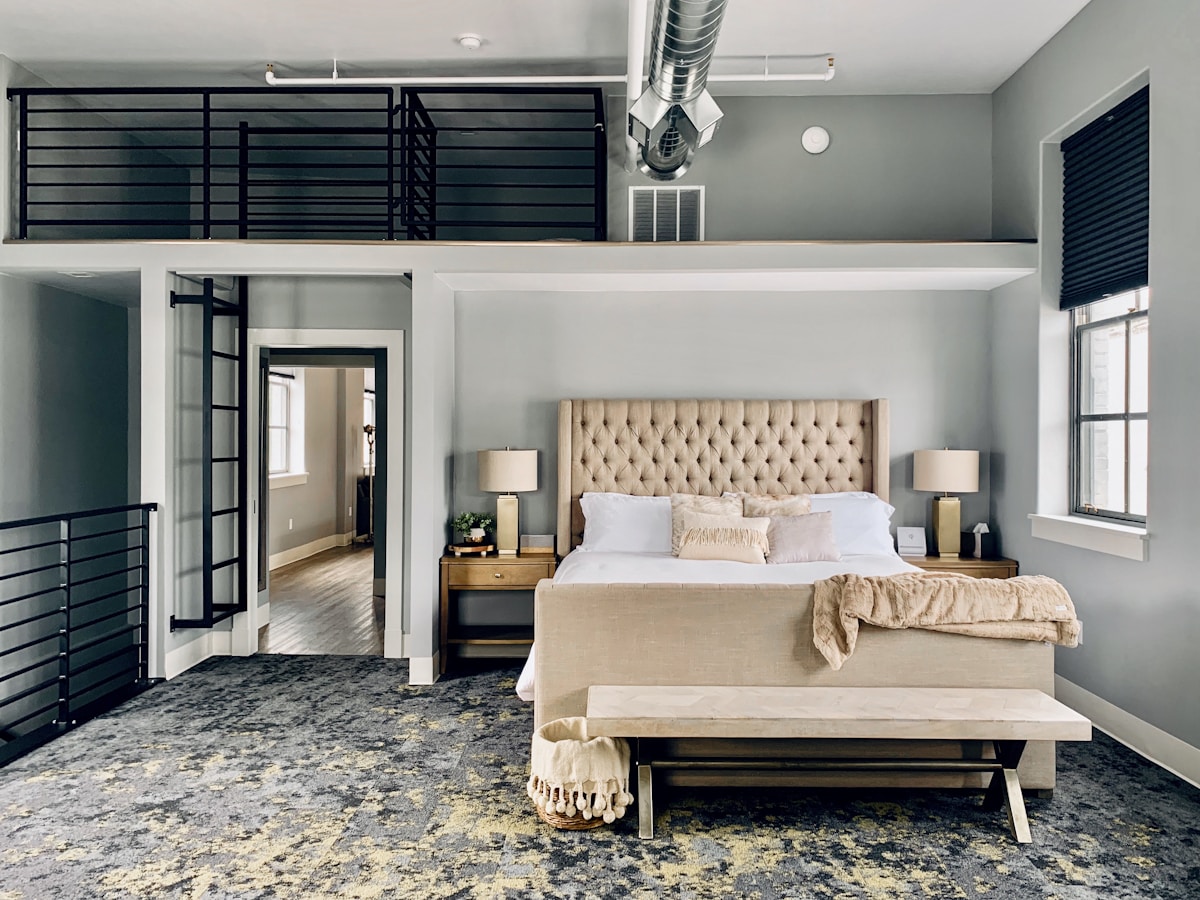
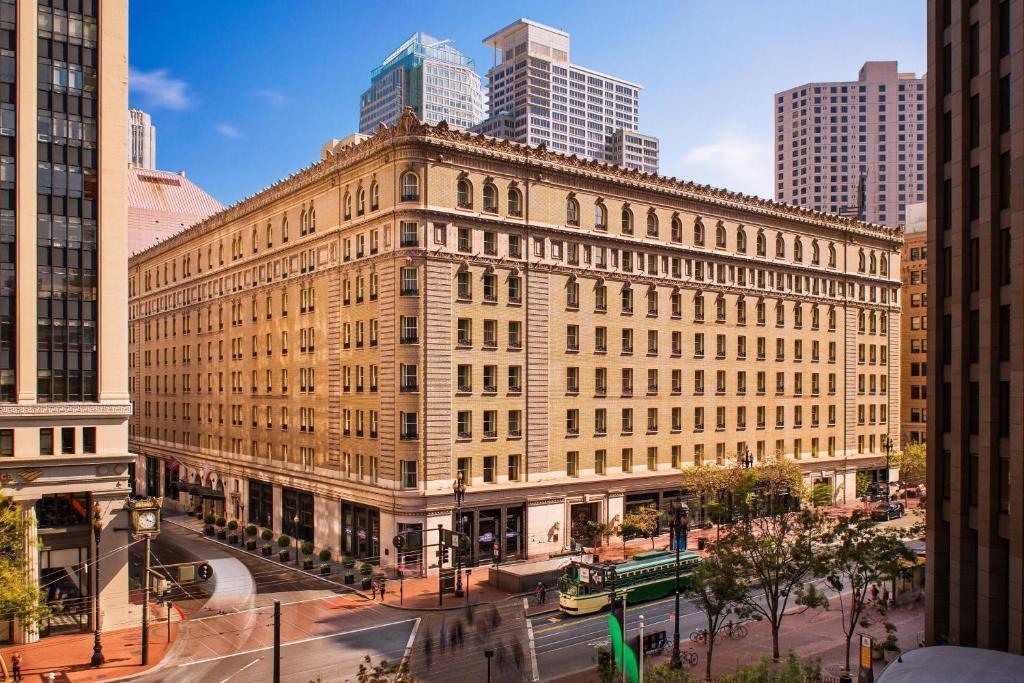
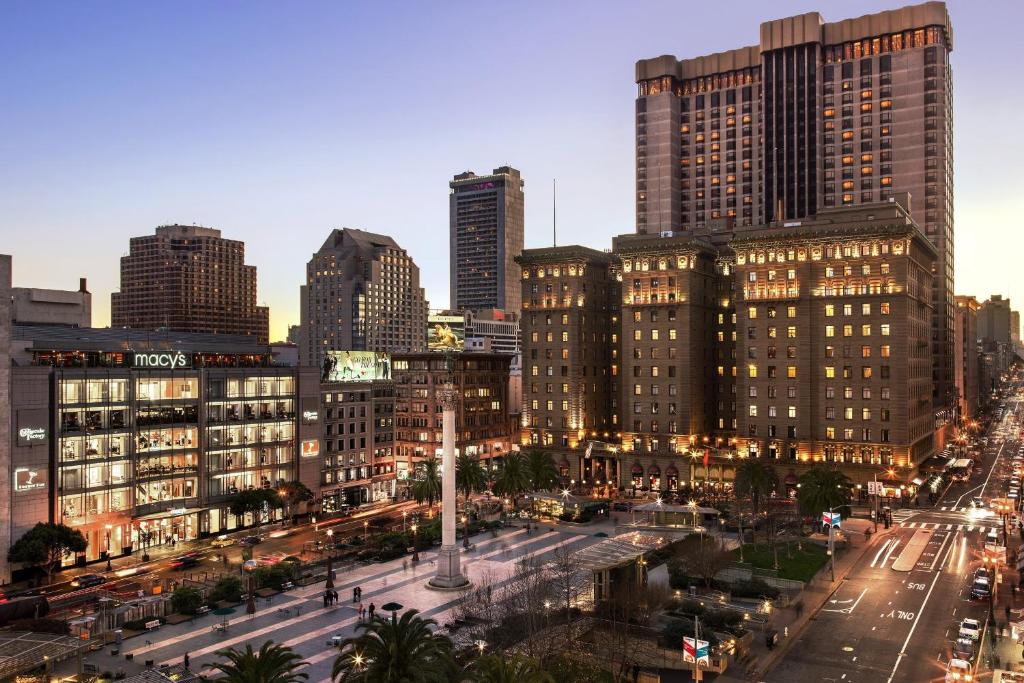
The building is really two buildings pretending to be one. The original 1904 Beaux-Arts structure has the character — tall ceilings in places, ornate detailing, the sense that you’re inside something that predates the freeway. In 1972, a 32-story Modernist tower was added, and it’s the part of the hotel that architecture critics still argue about. It doesn’t match the original at all. It’s a slab of a building next to an ornamented one.
But the tower rooms have the views. Upper floors look out over the bay and the city in a way the original Beaux-Arts building simply can’t, because it was never built to be tall. If a view matters to you more than historic bones, ask for the tower. If historic bones matter more than a view, ask for the landmark building and accept that you’ll be looking at Union Square rooftops instead of the bay.
| Room Type | Price/night | Best for |
|---|---|---|
| Historic building room | ~$280/€257/£219 | Original architecture, lower floors, Union Square energy |
| Tower room, city view | ~$330/€303/£259 | Balance of space and modern comfort |
| Tower room, bay view | ~$380/€349/£298 | The panorama — worth the upgrade if it’s available |
| Landmark suite | ~$650/€596/£510 | Full occasion-worthy stay |
Honest note: the historic-building rooms are smaller and the layouts are less consistent than the tower — this is a hundred-plus-year-old building, and not every room got the same generous footprint. If you’re picky about room size, book the tower and specify it when you book, not just when you check in.
Food & Drink
Union Square is not short on places to eat, and the hotel doesn’t try to be your only option — which is the right call, because the neighborhood does a lot of the work for you.
- Breakfast: the hotel’s own café handles a fast morning fine, but Sears Fine Food on Powell Street, a few minutes’ walk, has been doing silver dollar pancakes since 1938 — ~$14/€13/£11 for a stack, and it’s the better choice if you have the time
- Coffee and a quick lunch: plenty of Union Square options within a block or two, none of them remarkable, all of them fine
- Cocktails: ask the bar staff about the hotel’s cocktail-era history — San Francisco hotel bars from this period, the St. Francis included, were part of the city’s early bar culture, and the current bar leans into that rather than ignoring it
- Dinner: walk to the Financial District or North Beach rather than eating in Union Square proper — you’re a ten-minute walk from noticeably better food than the immediate block offers
- Skip: the generic tourist-menu restaurants directly on Powell Street near the cable car turnaround — convenient, unremarkable, overpriced for what they are
Things I Noticed That Most Reviews Miss
The clock is a genuinely functioning piece of the city’s social infrastructure, not a photo prop. I watched three separate groups of people use it as a rendezvous point in one afternoon. It was installed in 1907, in the rebuilding after the earthquake, and it’s outlasted every other meeting spot Union Square has tried to establish since.
The tower and the original building have different personalities, and the staff will tell you which rooms are which if you ask directly. Don’t rely on the room name alone when you book — call and confirm you’re getting the building you actually want.
Union Square’s cable car turnaround is right outside, which is convenient and loud in about equal measure. If street noise bothers you, ask for a room facing away from Powell Street.
The hotel’s relationship with its own darker history is understated almost to a fault. There’s no plaque, no display, nothing pointing out Room 1219. I don’t think there should be a tourist attraction built around it, but if you’re curious, the front desk and concierge staff generally know the history and will talk about it plainly if you ask — they don’t lean into it, and they don’t dodge it either.
The silver-coin-washing tradition is real and still occasionally referenced by long-tenured staff. It’s a small, strange detail that tells you more about the hotel’s institutional age than the architecture does.
The Catch
Union Square’s street-level environment is not uniformly pleasant. Like the rest of downtown San Francisco, the blocks immediately around the hotel have had a rougher few years than the postcard version of the neighborhood suggests. It’s not a hotel-safety issue, but it’s worth knowing before you arrive expecting a spotless luxury shopping district at every hour.
The historic building’s rooms are inconsistent in size and layout. This isn’t a flaw exactly — it’s what happens when a building is over a century old — but if you need a guaranteed spacious room, the tower is the safer bet.
The 1972 tower is architecturally jarring next to the original building. Some guests find it a letdown after seeing the Beaux-Arts facade from the street. If you’re booking specifically for historic atmosphere, know that half the hotel doesn’t deliver that.
Parking is expensive, as it is everywhere downtown. Budget for it or skip the car entirely — you don’t need one here.
Is It Worth It?
| Worth it? | |
|---|---|
| History lovers | ✅ 1904 building, 1906 earthquake story, the clock, the Arbuckle history |
| Union Square shoppers | ✅ You’re at the center of it |
| Couples wanting classic San Francisco | ✅ This is the classic version |
| Business travelers | ✅ Central, reliable, well-connected |
| Boutique-quiet seekers | ❌ This is a large, busy, central hotel |
| Guests who want uniform modern rooms | ⚠️ Book the tower specifically |
Honest verdict: yes, with a caveat. The St. Francis earns its place on a San Francisco historic-hotels list on the strength of its history and its location, not because every inch of the building is beautiful. It’s a real hotel with a complicated past, sitting in a real, sometimes rough-edged neighborhood, and it doesn’t pretend otherwise if you ask the right questions.
For other historic properties in the same city, our review of the Palace Hotel San Francisco covers the other end of the city’s post-earthquake grand-hotel story — worth reading if you’re choosing between the two.
Practical Info
- Address: 335 Powell Street, Union Square, San Francisco, CA 94102
- Check-in/out: 3pm / 12pm
- Parking: Valet only, expensive, ~$70/€64/£55 per day — skip it if you can
- WiFi: Included, reliable
- Nearest airport: San Francisco International (SFO),
25–40 min by taxi or rideshare depending on traffic ($45/€41/£35) - Getting there: BART to Powell Street station, then a short walk — faster and cheaper than driving
- Languages spoken: English, with multilingual concierge staff
- Pet friendly: Check directly with the hotel
Final Verdict
The Westin St. Francis is not a quiet boutique escape and it’s not trying to be. It’s the hotel that watched the 1906 earthquake happen, rebuilt within a year, hosted one of the ugliest scandals in Hollywood history, and kept a lobby clock running for more than a century as a literal meeting point for the city. It has a jarring 1972 tower bolted onto a Beaux-Arts original, rooms that vary more than you’d expect for the price, and a neighborhood that isn’t as polished as it used to be.
None of that makes it a bad hotel. It makes it an honest one — a building that’s actually lived a life, rather than a reproduction of one.
📖 Check availability at The Westin St. Francis on Booking.com
Prices start at ~$280/€257/£219 per night. Ask specifically for a tower room if a bay view matters to you — the historic building doesn’t have them.
Affiliate Disclosure: Some links in this article are affiliate links. We may earn a small commission if you book through them, at no extra cost to you.

Curated by
Eleanor Rhodes
Founding Editor
Eleanor has spent 20 years documenting America's endangered historic properties. A certified historic preservation specialist, she believes the best way to save old hotels is to fill their rooms.
Affiliate Disclosure: Some links on this page are affiliate links. We may earn a small commission when you book through them, at no extra cost to you. This supports our editorial work.
Highlights
Union Square at dusk, the hotel anchoring the block since 1904
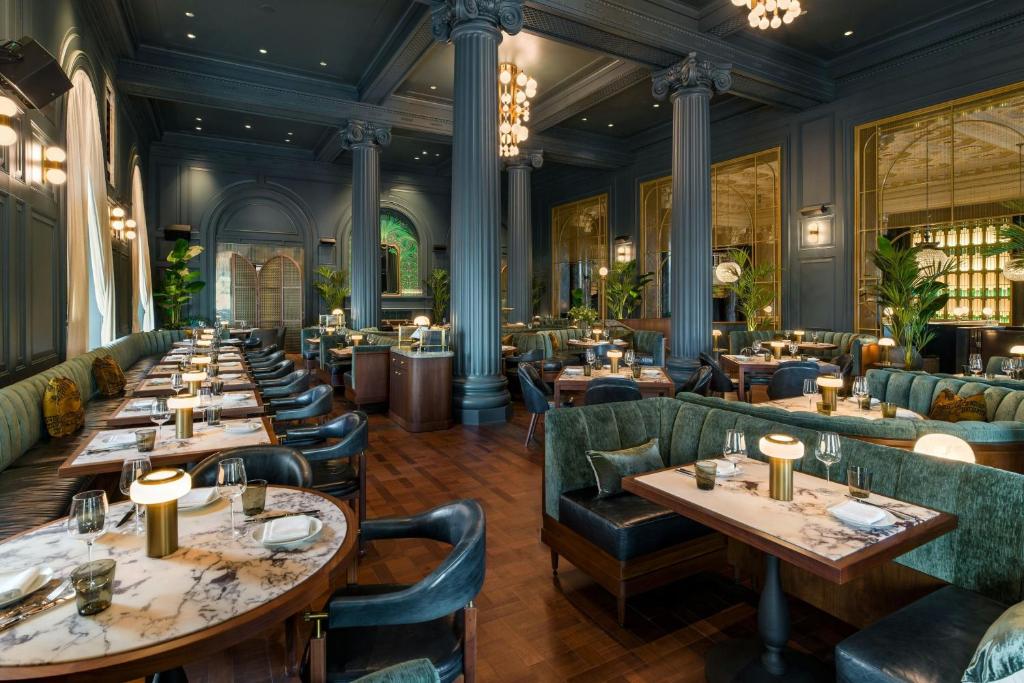
One of the hotel's restaurant rooms