St. Augustine, Florida
Renaissance St. Augustine Historic Hotel
Est. 1888 · Spanish Renaissance · $$$
Built inside the bones of Henry Flagler's 1888 Alcazar Hotel, in America's oldest city. Rooftop pool with a 460-year-old skyline. The Fountain of Youth is 10 minutes away, which Ponce de León would have appreciated.
I walked to Castillo de San Marcos before breakfast. Not because I’d planned to — I was looking for coffee — but because when you step out of a hotel in St. Augustine, Florida, and turn left, you end up at the oldest masonry fort in the United States before you’ve fully woken up. The Castillo was finished in 1695. It has been standing longer than the United States has been a country by a margin that starts to feel existential around the second or third time you walk around the walls.
This is St. Augustine. The city is 460 years old and has a complicated relationship with understatement.
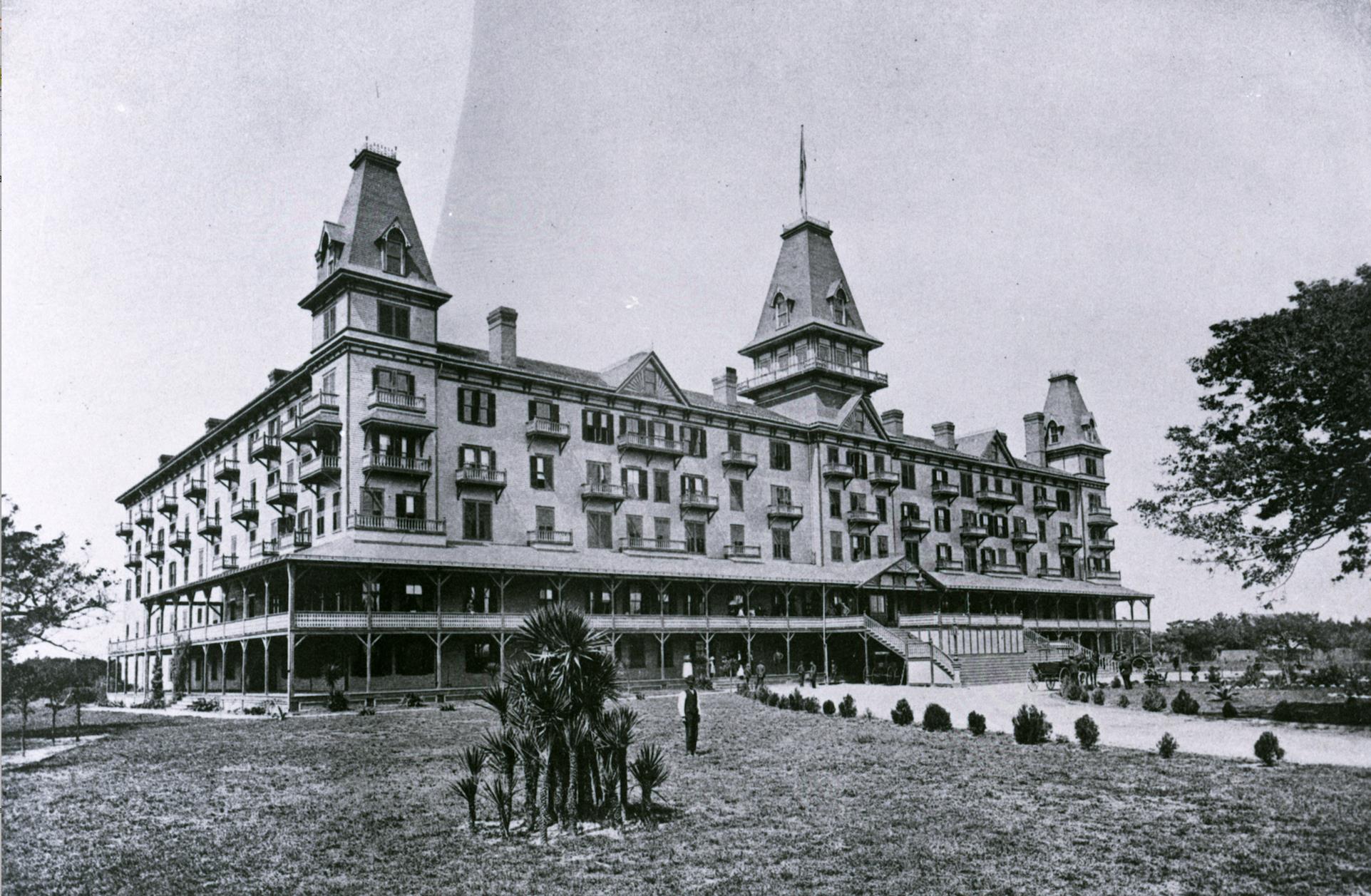
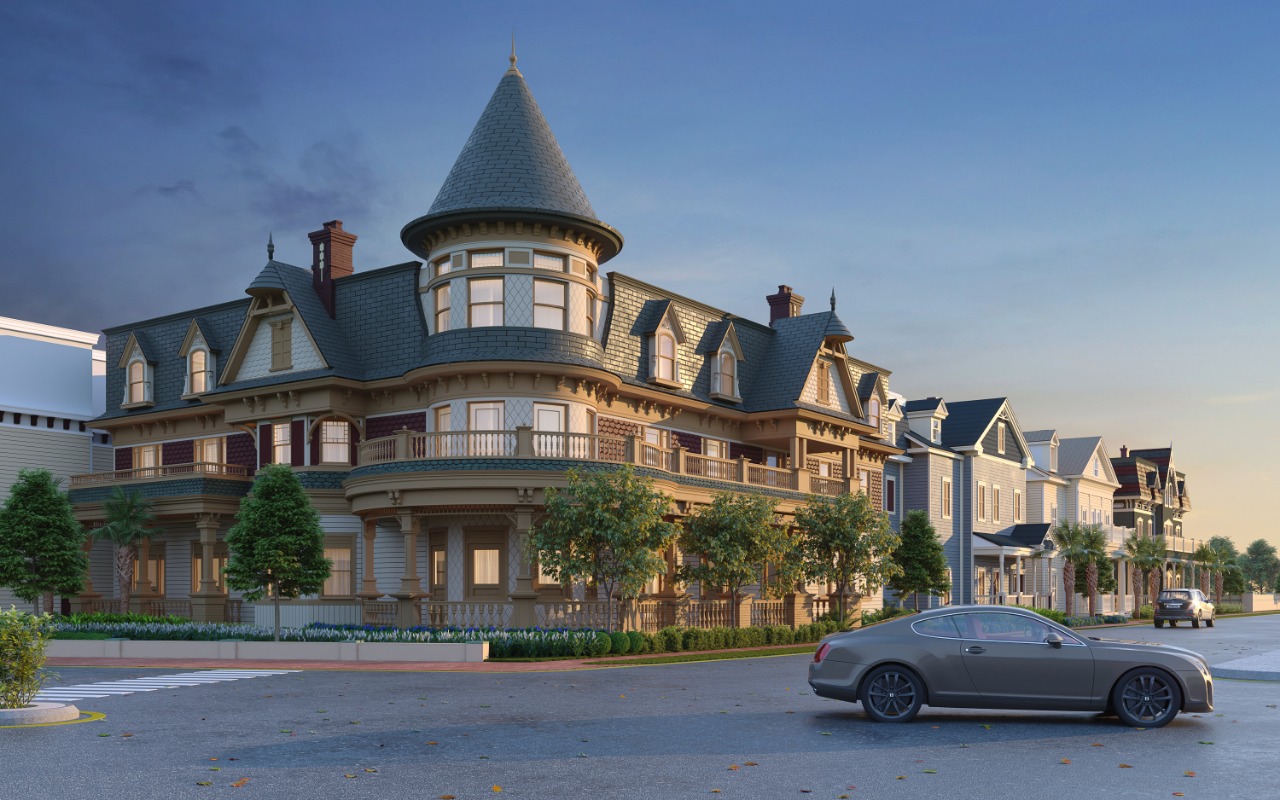
The renaissance st augustine historic downtown hotel is inside the bones of the 1888 Alcazar Hotel, built by Henry Flagler — the railroad magnate who essentially invented Florida as a tourist destination — and the building has that specific weight that old structures carry when they haven’t been rebuilt from scratch. The proportions are different. The ceilings are what ceilings used to be. You feel the 1888 underneath the 2024.
| 📍 Location | St. Augustine, Florida, USA |
| 💰 Price range | ~$220/€200/£175 per night |
| ⭐ Best for | History obsessives, couples, Florida road trippers, architecture people |
| ⏱️ Sweet spot | October–April (before the Florida summer arrives) |
| 🚫 Skip if | You want a beach resort or can’t handle a tourist-heavy city |
| 📖 Book | Renaissance St. Augustine on Booking.com |
Check availability and current rates →
A City That’s Been Here Since Before You Can Imagine
St. Augustine was founded by Spanish explorer Pedro Menéndez de Avilés on September 8, 1565. That’s 42 years before the English settled Jamestown. Fifty-five years before the Pilgrims landed at Plymouth Rock. It is the oldest continuously occupied European settlement in the continental United States and the city knows this, mentions this, and has organized its entire identity around this fact with an enthusiasm that stops being exhausting and starts being admirable somewhere around your second afternoon.
Henry Flagler arrived in the 1880s with money, ambition, and the specific vision of someone who looks at Florida and sees infrastructure where others see swamp. He built the Florida East Coast Railway. He built hotels — magnificent, overwrought, Spanish Renaissance hotels — to give wealthy Northerners a reason to take that railway south. The Alcazar Hotel opened in 1888 as one of his properties: a casino, a swimming pool that was the largest in the world at the time, a ballroom, the full Victorian resort ceremony.
The Alcazar eventually closed during the Depression. The building was acquired by Flagler College, which operates out of a sister Flagler property next door, and part of it became what is now the Renaissance St. Augustine Historic Hotel.
The fort — Castillo de San Marcos, completed 1695, the oldest masonry fort in the United States — is a five-minute walk. It has withstood sieges. It was built from coquina, a local limestone made of compressed shells, which absorbs cannon fire rather than shattering. The Spanish knew what they were doing.
Ponce de León came through in 1513, specifically to search for what indigenous people called the “fountain of youth.” He didn’t find it. There is now a tourist attraction called Fountain of Youth Archaeological Park where he allegedly landed. The water tastes of sulfur.
Stay in the building that started Florida →
The Rooms — Real Talk
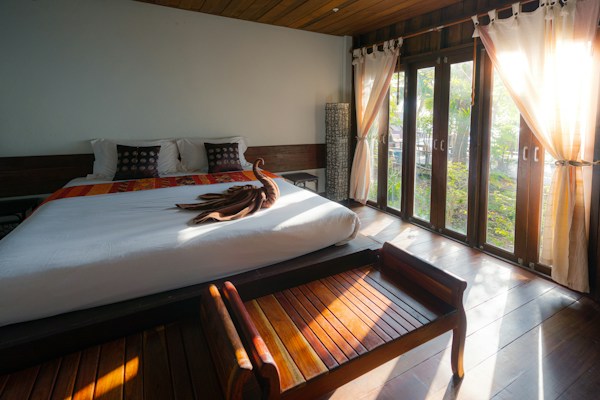
The Renaissance St. Augustine is a Marriott Autograph Collection property, which means the bones are historic and the interior finishes are polished modern luxury. The rooms are large, well-appointed, and feel like a flagship Marriott with better architecture underneath.
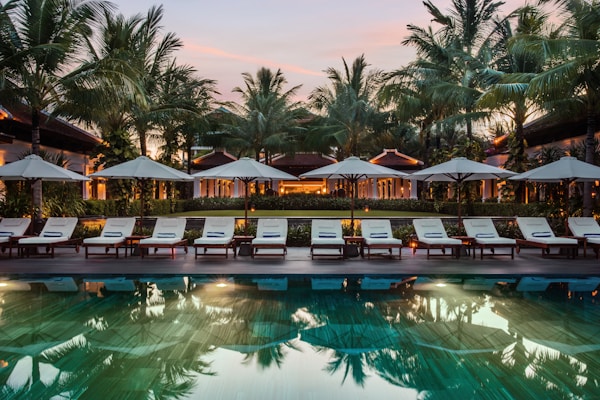
The rooftop pool is the standout feature — not for the pool itself, which is standard resort-size, but for what you’re looking at while you’re in it. The historic district skyline, the Matanzas River, Castillo de San Marcos in the middle distance. It’s the kind of view that makes you order another drink and stay longer than you intended.
| Room Type | Size | Price/night | Best for |
|---|---|---|---|
| Standard King | 32m² | ~$220/€200/£175 | Base rate, good value |
| Premium King | 40m² | ~$280/€255/£225 | More space, city views |
| Junior Suite | 55m² | ~$380/€345/£305 | Special occasion |
| Historic Suite | 75m² | ~$520/€473/£420 | Full ceremony, 1888 details |
The Historic Suites in particular retain architectural elements from the Alcazar Hotel construction — ceiling heights, window proportions, details that feel like 1888 rather than 2020. Worth the premium if the history is your reason for being here.
Food & Drinks
The rooftop bar is where you have your first drink and your last drink of every day you’re here. The sunset over the historic district from that elevation, with the fort visible in the distance, is the kind of thing you take a photo of and then realize no photo will do it justice. Cocktails ~$14–18/€13–17/£11–15.
The on-site restaurant works for a breakfast or a quick dinner — solid execution, hotel prices, unremarkable compared to what’s outside the front door.
- Breakfast: Collage Restaurant across the street if you want the splurge version (~$25/€23/£20 per person); Columbia Restaurant for lunch if you want Spanish-Cuban and don’t mind the tourists
- Signature cocktail: whatever the rooftop bar makes with Florida citrus — ask what’s seasonal
- Must-order: datil pepper hot sauce on everything — it’s native to St. Augustine and found nowhere else
- Must-do: Preserved at St. Augustine for dinner — arguably the best restaurant in the city, book ahead
- Skip: the Flagler College cafeteria tour — it’s technically available and genuinely beautiful, but prioritize your time
Things I Noticed That Most Reviews Miss
The city’s relationship with its own age is sincere, not performative. The signage, the architecture, the way locals talk about the Spanish colonial period — it’s not theme park history. It’s a city that has been continuously occupied since 1565 and has the physical evidence to prove it. The narrow streets in the historic district are narrow because they were laid out for foot traffic and carts, not because someone decided that would be charming.
Castillo de San Marcos at sunset requires zero planning. Walk over at 6pm. It’s a five-minute walk. The light on the coquina stone at that hour is something a photographer could spend a career on. Admission is ~$15/€14/£12 if you want to go inside, free if you just want to walk around the exterior.
The ghost tour industry here is better researched than most cities’. St. Augustine has so much documented history that the ghost stories have actual historical grounding — specific people, specific events, specific locations. Ghost Augustine Tours has a reputation for using primary sources. The competition for best ghost tour in America between Savannah and St. Augustine is real and both cities take it seriously.
The Fountain of Youth is a tourist trap worth seeing once. Spoiler: it’s a spring. The water tastes terrible. But the archaeological site is legitimate — it’s where early Spanish settlement happened — and the peacocks roaming the grounds are enormous and absolutely fearless.
The Lightner Museum is in the Alcazar Hotel’s former indoor pool and casino. You’re staying in the same building complex. The museum has an extraordinary collection of Gilded Age curiosities assembled by a Chicago publisher who bought the building in the 1940s. The main hall — the former pool — is one of the more bizarre rooms you’ll walk through in Florida. Admission is ~$15/€14/£12.
The Catch
The city is heavily touristed, especially March–August. St. Augustine’s historic district is small enough that crowd density becomes an issue in peak season. July in particular: hot, humid, crowded, and the Spanish Quarter living history museum has the energy of a fire drill.
Prices spike dramatically in season. What costs $220/€200/£175 in January can be $380/€345/£305 in June. If you have flexibility, the October–November window hits the city at its best.
It is a Marriott. The Renaissance brand is Marriott’s “upscale historic” tier, and the rooms feel like exactly that — carefully done corporate hotel in a historic shell. The bones are 1888. The room feels like 2019. For some guests this is ideal; for others it’s a missed opportunity.
Parking is aggressive. The historic district has limited spots and a downtown garage that fills up on weekends. Budget ~$20–30/€18–27/£16–24 per day for parking if you drove.
The city earns its tourism. The hotel earns its price point. The catches are calibration, not condemnation.
Is It Worth It?
| Worth it? | |
|---|---|
| American history obsessives | ✅ Absolutely — nowhere else compares |
| Couples on a Florida trip | ✅ Rooftop pool + historic streets = strong |
| Budget travelers | ❌ The city adds up fast |
| Business travel | ⚠️ If the meeting is here, sure |
| Beach resort seekers | ❌ Wrong city entirely |
St. Augustine is one of the places in America where the history is both older than you expect and in better condition than it has any right to be. The Renaissance hotel puts you inside a piece of that history — Henry Flagler’s 1888 Alcazar Hotel — with a rooftop pool that looks over 460 years of city skyline. If American history is your reason for traveling, this city and this hotel deliver.
Practical Info
- Address: 40 San Marco Avenue, St. Augustine, FL 32084
- Check-in/out: 4pm / 11am
- Parking: Valet ~$30/€27/£24 per day; public garage nearby ~$20/€18/£16
- WiFi: Included, fast
- Nearest airport: Northeast Florida Regional (UST), 5 min; Jacksonville International (JAX), ~1 hour
- Getting there: Rideshare from Jacksonville recommended
- Languages spoken: English, Spanish
- Pet friendly: Yes, fee applies
Final Verdict
America’s oldest city has a hotel inside an 1888 building that Henry Flagler constructed to convince rich people to come to Florida. It has a rooftop pool with views of a fort built in 1695. The Fountain of Youth is 10 minutes away and the water tastes like sulfur. The history here predates the country by over 200 years and the streets remember it.
The Renaissance St. Augustine is the right hotel for this city. Book it, walk to the Castillo before breakfast, and order something with datil pepper while you’re there.
📖 Check availability at Renaissance St. Augustine on Booking.com
Prices start at ~$220/€200/£175 per night. October–April is the sweet spot. Summer is hot and crowded. The Historic Suites retain 1888 architectural details — worth the premium if the history is the reason.

Curated by
Thomas Waverly
Travel Correspondent
Thomas covers East Coast, Southern, and Western grand hotels. He has personally stayed in over 80 historic properties and considers a properly aged lobby bar essential to any review.
Affiliate Disclosure: Some links on this page are affiliate links. We may earn a small commission when you book through them, at no extra cost to you. This supports our editorial work.
Highlights
Rooftop pool with the historic skyline behind it
Castillo de San Marcos — 5 minutes on foot
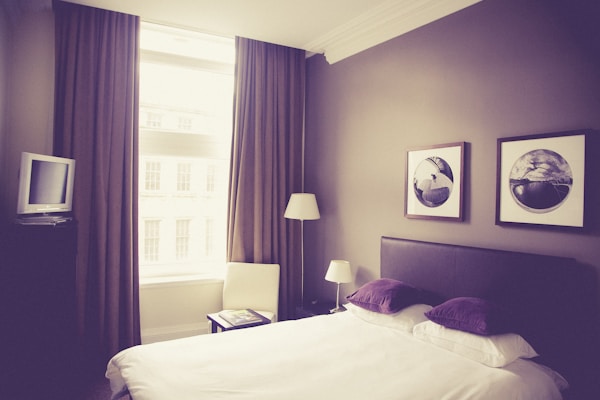
The 1888 Alcazar Hotel bones beneath the Renaissance