Florida
St. Augustine
1 Historic Hotel
St. Augustine was founded by Spanish colonists in 1565, making it the oldest continuously occupied European settlement in the continental United States. By the time the Pilgrims landed at Plymouth Rock in 1620, St. Augustine had already been a functioning city for 55 years. By the time the American Revolution began, it had been a city for more than two centuries.
The Castillo de San Marcos, a Spanish stone fort completed in 1695, stands at the edge of Matanzas Bay in a condition that suggests it was built last century rather than three centuries ago. It is the oldest masonry fort in the continental United States and has never been taken by force. The city around it carries the same weight — layers of Spanish, British, and American history compressed into a walkable historic district.
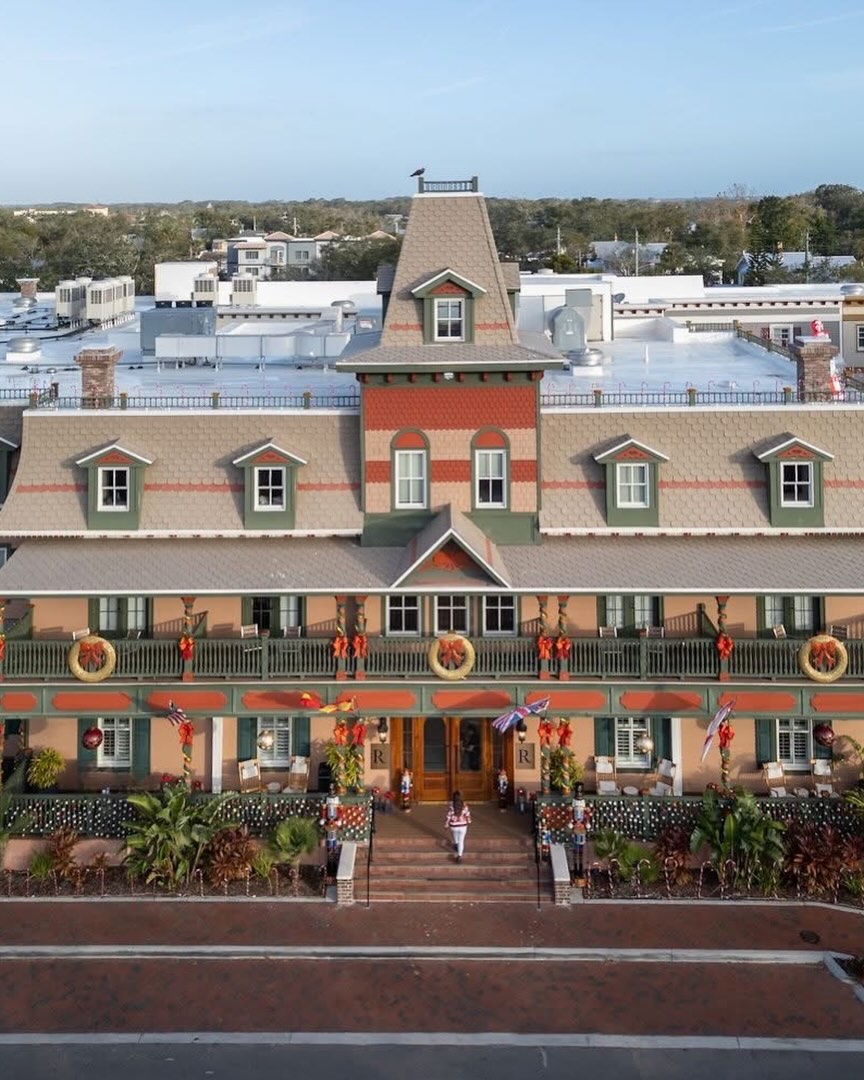
Henry Flagler, the Standard Oil partner who essentially built Florida’s east coast for tourism in the 1880s and 1890s, chose St. Augustine as his starting point. The Alcazar Hotel, which he built in 1888 in the Spanish Renaissance style, became the grandest resort in America at the time of its opening. It now operates as the Renaissance St. Augustine Historic Hotel, its Flagler-era bones preserved beneath a modern hotel brand. The rooftop pool looks out over a skyline that hasn’t changed fundamentally in 460 years.