New York
New York
1 Historic Hotel
New York City’s relationship with the grand hotel is one of the defining stories of American architecture and ambition. From the Gilded Age through the Jazz Era and beyond, the city’s great hotels were not merely places to sleep — they were cultural institutions, power centers, and the stages on which American life was performed at its most theatrical.
The tradition begins with the original Waldorf-Astoria, opened in 1893 and 1897 respectively by rival Astor cousins on adjacent lots on Fifth Avenue. When they merged into a single 1,000-room hotel and introduced the concept of the corridor connecting them — Peacock Alley — they established the template for the American grand hotel: not just accommodation, but a city within a city, a destination for residents and visitors alike.
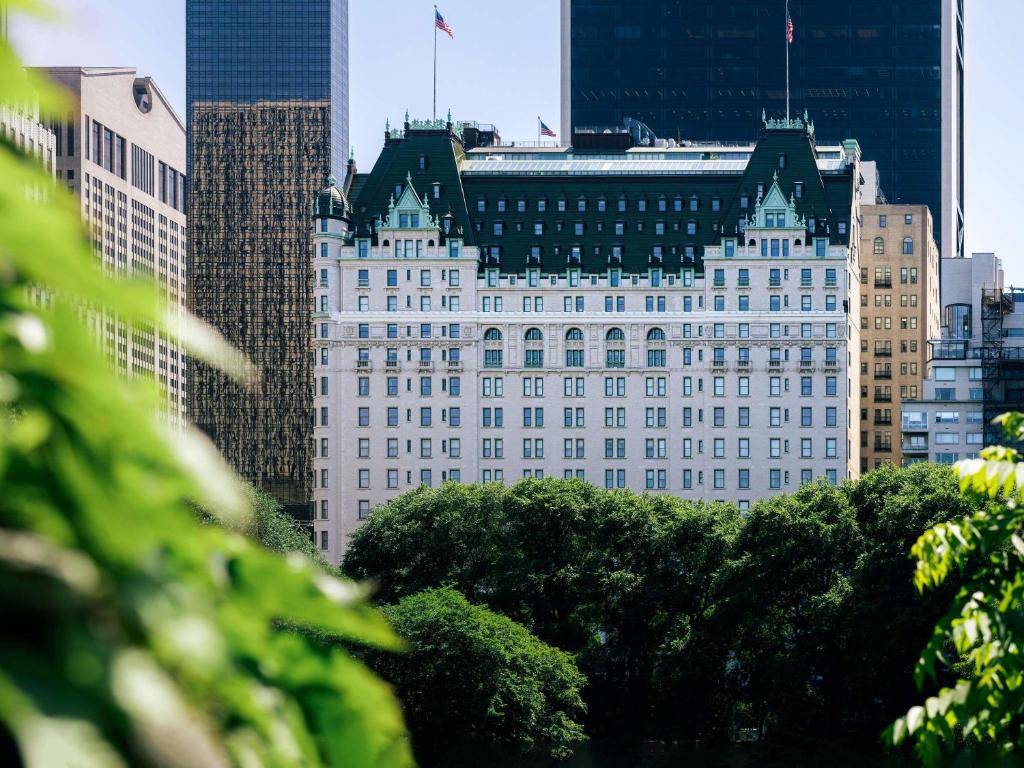
The Plaza Hotel, rising at the corner of Fifth Avenue and Central Park South in 1907, represents the apotheosis of New York’s Beaux-Arts hotel tradition. Henry Janeway Hardenbergh’s French Renaissance Chateau has been the backdrop for more significant moments in New York history — social, political, cultural — than almost any other building in the city. Our full Plaza review covers the rooms, the Eloise Suite, and current prices.
The Algonquin, on West 44th Street, earned its place in literary history through the writers who gathered at its Round Table in the 1920s — Dorothy Parker, Robert Benchley, Alexander Woollcott, and their circle. The hotel still maintains the tradition of keeping a cat in residence, and the lobby still feels like a place where a good line might be overheard at any moment.
New York’s historic hotels survive because New Yorkers and visitors alike understand that they represent something irreplaceable: the accumulated weight of history, the physical evidence of the city’s long arc of ambition and achievement. To stay in one is to join an unbroken chain stretching back across generations. For the full lineup — including The Pierre’s Getty-era history and Central Park views — see our guide to New York’s historic grand dame hotels.
Historic Hotels in New York
Frequently Asked Questions
What is the most famous historic hotel in New York City?
The Plaza, opened in 1907 at Fifth Avenue and Central Park South, is New York's most famous historic hotel — the setting for a pivotal scene in The Great Gatsby, the Beatles' first US stay, and Truman Capote's 1966 Black and White Ball.
What are New York's grand dame hotels?
New York's classic 'grand dame' hotels are The Plaza (1907), The Algonquin (1902), and The Pierre (1930) — three hotels from different boom eras that are still full-service, bookable properties rather than museum pieces.
From the Journal: New York
15 Best Art Deco Hotels in America
From Miami's South Beach to New York's Midtown, these Art Deco masterpieces offer history and glamour in equal measure.
May 25, 2026
Best Historic Hotels in New York City (2026): The Grand Dames That Never Left
The Plaza, The Algonquin, The Pierre — New York's three great historic hotels, reviewed honestly. Real 2026 prices, real history, and what the Fifth Avenue brochures leave out.
May 16, 2026
Historic Hotels Where U.S. Presidents Actually Stayed (2026)
The Willard, the Hay-Adams, the Omni Parker House, The Roosevelt New Orleans — real presidential history, real lobby gossip, and what it actually costs to sleep where Lincoln, JFK, and Huey Long once did.
June 13, 2026