Colorado
Estes Park
1 Historic Hotel
Estes Park sits at 7,500 feet in the Colorado Front Range, wedged between the Big Thompson River and the eastern entrance to Rocky Mountain National Park, and for more than a century it has functioned as the last real town before the mountains take over. Elk graze on the golf course in the fall rut, the peaks of the Mummy Range and Longs Peak dominate every sightline, and the town’s entire identity has, since 1909, been shaped by a single building on the hill above it.
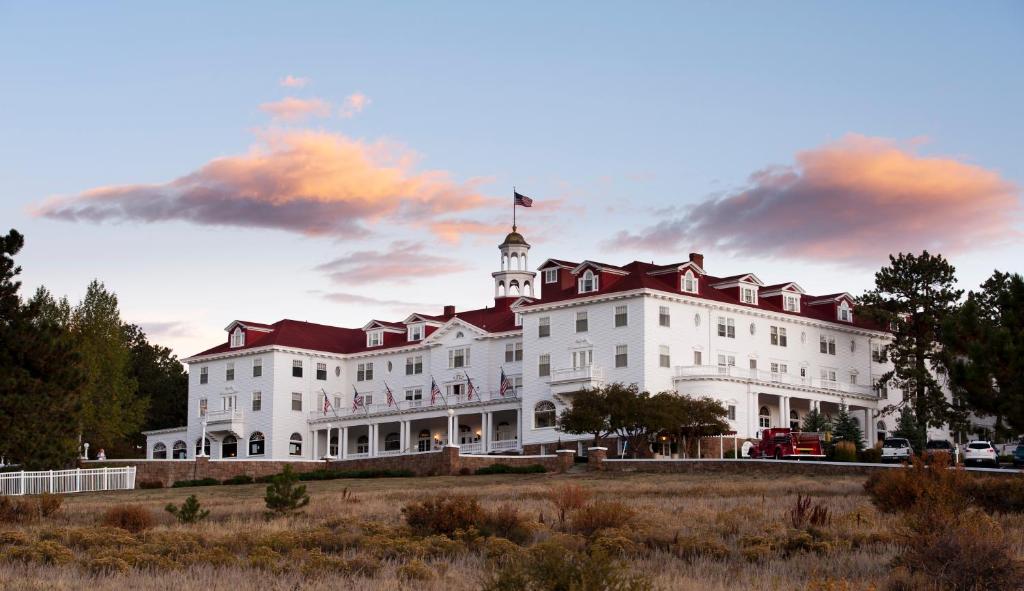
That building is the Stanley Hotel, built by Freelan Oscar Stanley, who co-invented the Stanley Steamer automobile with his twin brother Francis and made a fortune doing it. Stanley came to Estes Park in 1903 not to build a resort but to die more comfortably — he had been diagnosed with tuberculosis and given a matter of months to live. The dry mountain air did what the doctors hadn’t expected: he recovered, stayed, and instead of a quiet retirement built a grand Georgian Colonial Revival hotel with electric lights and a telephone in every room, at a time when the surrounding town had neither. He lived another thirty years, dying in 1940 having outlasted the diagnosis by nearly four decades.
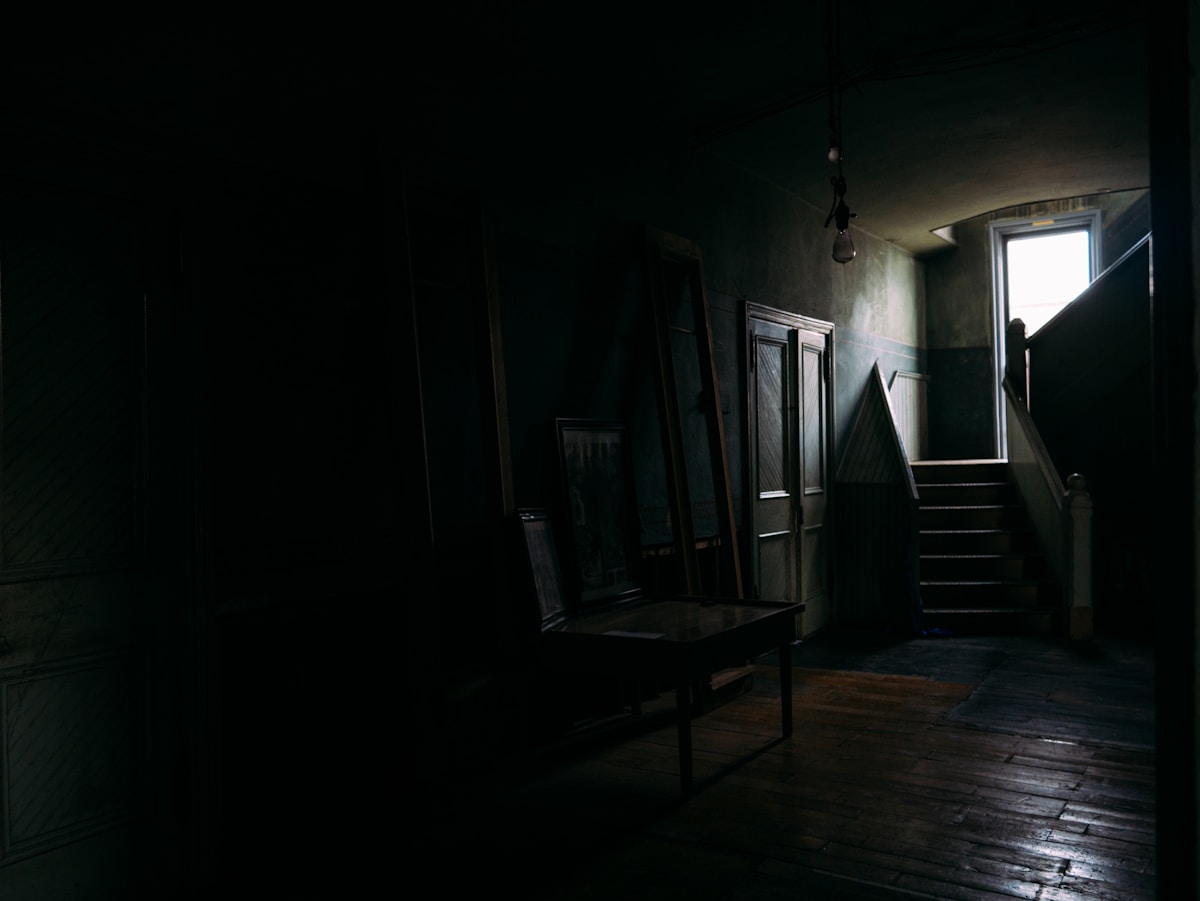
The hotel’s second act came in 1974, when a young, largely unpublished writer named Stephen King checked into Room 217 on what turned out to be the hotel’s last night open before the off-season and found the empty, echoing corridors unnerving enough to become the basis for The Shining. This is where most visitors get the story half right: Stanley Kubrick’s 1980 film was shot almost entirely on soundstages in England and at Oregon’s Timberline Lodge, not here. The Stanley’s on-screen moment came later, in the 1997 ABC miniseries version, which King himself wrote and which filmed on location at the hotel — the version that actually used these hallways, this façade, this lobby.
Everything else about Estes Park operates in relation to that history and to the park at its back door. The town proper is compact and walkable, built for travelers heading up into Rocky Mountain National Park’s alpine tundra and 14,000-foot summits, but the Stanley’s white colonnade, visible from most of the valley, is what gives the place its gravity — a hotel built by a man who came to the mountains to die and instead built something that outlived him by more than a century.